Ghee's Gut Magic: My Journey to Soothed Digestion
Anya, a software engineer in Bengaluru, shares how embracing traditional ghee helped her find digestive ease and nourish her gut lining.
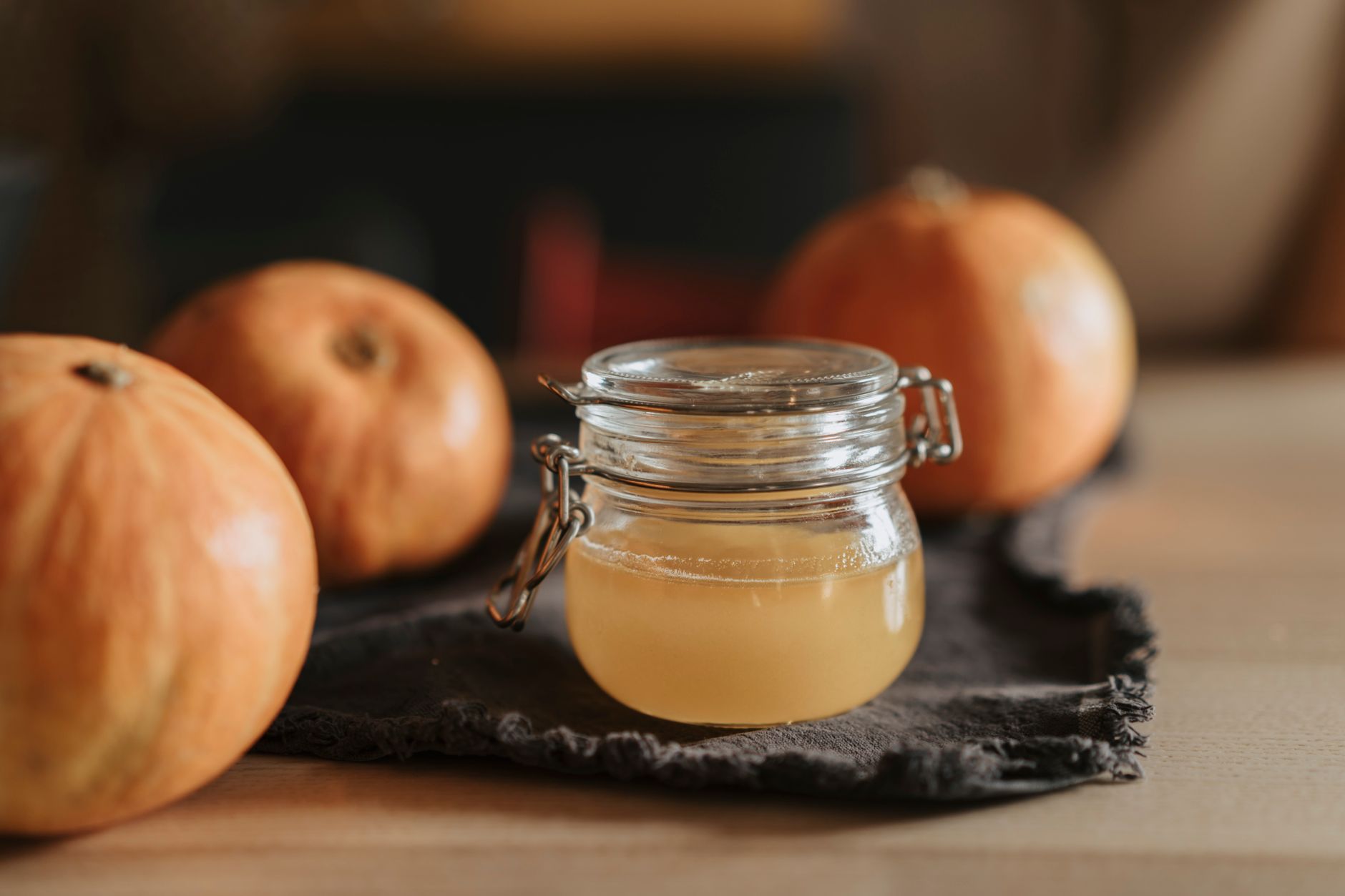
My days used to begin with a knot in my stomach and end with a pervasive feeling of bloat. As a 32-year-old software engineer in fast-paced Bengaluru, I'd often grab quick meals, juggling project deadlines and a social life that left little room for conscious eating. I’d tried various 'healthy' trends – cutting carbs, going dairy-free, even elaborate smoothie rituals – but the underlying digestive unease always lingered. It felt like my gut was constantly protesting, subtly but persistently, affecting my energy and focus. I believed I was eating well, choosing what the internet told me was 'clean.' Yet, the discomfort persisted. There were mornings I’d wake up already feeling heavy, and afternoons where brain fog would descend, making complex coding tasks feel even more daunting. I knew deep down that something fundamental was missing, something my body truly needed. Then, a conversation with my Nani (maternal grandmother) during a visit back home in Jaipur sparked a forgotten wisdom. She observed my hurried eating habits and gently suggested, 'Anya, where is your ghee? Without it, how will your body thrive?' Initially, I dismissed it. Ghee? The very fat I'd been told to limit for years? But Nani's simple conviction, steeped in generations of traditional knowledge, nudged me to reconsider. I was skeptical but desperate. I began to research, diving into the science and history of this golden elixir my ancestors had cherished. What I uncovered was a profound connection between traditional Indian eating and robust gut health, a connection centered on the humble, yet powerful, ingredient: ghee. Why My Gut Needed Ghee's Gentle Touch The modern pace of life, coupled with processed foods, environmental toxins, and chronic stress, can take a heavy toll on our digestive system. One of the most critical aspects of gut health is the integrity of our intestinal barrier, often referred to as the gut lining. This lining acts like a sophisticated gatekeeper, allowing essential nutrients to pass through while keeping harmful substances out. When this barrier is compromised – a condition sometimes described as 'leaky gut' – unwanted particles can slip into the bloodstream, potentially triggering widespread inflammation and contributing to various health issues. My constant bloating, digestive discomfort, and even the periodic brain fog were, I learned, classic signs that my gut lining might not be as robust as it should be. I needed something that could truly nourish and fortify this essential internal shield. The Science Behind Ghee's Gut-Healing Power Ghee, essentially clarified butter, is a rich source of butyrate, a short-chain fatty acid (SCFA). What makes butyrate so special? It’s the primary fuel source for the cells lining your colon, known as colonocytes. Imagine your gut lining as a delicate, intricate barrier. When these cells are well-nourished by butyrate, they can function optimally, forming tight junctions that prevent unwanted substances from 'leaking' into your bloodstream. This contributes to a robust gut barrier, crucial for overall digestive comfort and immune function. Butyrate also plays a significant role in reducing inflammation within the gut, creating an environment conducive to a healthy microbiome. Beyond butyrate, ghee contains other beneficial short-chain fatty acids like caprylic acid and lauric acid, along with fat-soluble vitamins A, D, E, and K, which are essential for various bodily functions, including immune support and cellular health. By providing this direct, potent fuel to my colon cells, ghee wasn't just adding fat to my diet; it was actively supporting the very infrastructure of my digestion. This biological pathway, the direct feeding of gut cells, made so much sense, explaining why my body had been feeling so out of balance despite my efforts. Ghee's Deep Roots in Indian Tradition For millennia, ghee has held an almost sacred status in Indian culture, revered in Ayurveda as 'ghrita' – not merely a cooking fat, but a potent therapeutic substance. Ancient texts like the Charaka Samhita extol its virtues for digestion, memory, and overall vitality. It was seen as an essential ingredient for balancing the doshas, particularly beneficial for vata and pitta, offering lubrication and nourishment to the body's tissues. Beyond its health benefits, ghee is deeply woven into the fabric of Indian cuisine and spirituality. It’s used in traditional cooking from North to South, lending its distinctive aroma and rich flavor to dals, curries, sweets, and rotis. It’s also integral to religious ceremonies and rituals, symbolizing purity, prosperity, and auspiciousness. This profound cultural presence is a testament to its enduring value and the collective wisdom passed down through generations. The traditional process of making ghee involves simmering butter slowly to separate the milk solids and water, leaving behind pure butterfat. This process enhances its shelf life and also removes lactose and casein, making it generally well-tolerated even by those sensitive to dairy. The careful, slow preparation ensures a pure product that has sustained Indian families for centuries. What the Research Suggests About Gut Health & Butyrate Modern scientific inquiry is now beginning to shed light on what traditional wisdom understood intuitively. Studies suggest that butyrate, abundant in ghee, possesses potent anti-inflammatory properties within the gut. Emerging evidence points to its role in strengthening the intestinal barrier and modulating immune responses, potentially contributing to a more resilient digestive system. Researchers are exploring how dietary butyrate intake might support individuals experiencing various forms of digestive discomfort and conditions related to gut barrier dysfunction. While comprehensive human trials specifically on ghee and gut health are ongoing, the established benefits of butyrate as a key nutrient for colonocytes provide a strong biological basis for ghee's traditional use in promoting digestive wellness. This reinforces that some traditional practices, like incorporating ghee, are backed by fascinating biological mechanisms. How I Incorporated Ghee into My Daily Life My Nani's simple suggestion felt like a gateway to a profound shift. I started small, adding a teaspoon of organic, grass-fed ghee to my morning dal or warm rice. The taste was familiar, comforting, and unexpectedly satisfying. It brought a richness to my meals that had been missing, making simple home-cooked food feel more complete. I began to use it for sautéing vegetables, tempering spices for my dals, and even spreading a thin layer on my rotis. Gradually, the persistent bloat and discomfort began to subside. My gut felt calmer, more settled. The brain fog lifted, and I found a renewed sense of clarity and energy that had been elusive for years. It wasn't an overnight cure, but a gradual, gentle return to balance. Choosing quality was important. I sought out ghee made from the milk of grass-fed cows, understanding that the diet of the animal impacts the nutrient profile of the ghee. This felt like a small, conscious step towards respecting both the tradition and the science behind this incredible food. Nourish Your Gut: Try These Simple Steps This Week If you're experiencing digestive discomfort or simply want to support your gut health, integrating ghee into your diet can be a nourishing practice. It's a gentle yet powerful way to reconnect with traditional wisdom and provide your body with vital nutrients. Here's how you can start to incorporate ghee into your meals this week: - Start small and observe: Begin with half to one teaspoon of high-quality, organic, grass-fed ghee daily. You can gradually increase this amount as your body adjusts and feels comfortable. - Sauté and cook with it: Use ghee as your primary cooking fat for sautéing vegetables, cooking lentils, or making curries. Its high smoke point makes it suitable for various cooking methods. - Add to warm meals: Stir a teaspoon of ghee into warm rice, dal, khichdi, or even a bowl of oatmeal. This enhances flavor and nutrient absorption, especially for fat-soluble vitamins. - Spread on traditional breads: Instead of butter, spread a thin layer of ghee on your rotis, parathas, or dosas for a flavorful and gut-friendly option. - Choose quality: Opt for ghee made from the milk of grass-fed cows, as this often contains higher levels of beneficial fatty acids and fat-soluble vitamins. Support local, traditional makers where possible. Embracing ghee has been a profound journey for me – not just a dietary change, but a reconnection with my roots and a deeper understanding of my body's needs. It's a testament to the fact that sometimes, the oldest traditions hold the most potent answers for modern well-being.
If this helped, pass it on — that's how the community grows.