Raw Milk vs. Pasteurized: Understanding Your Dairy Choices
Curious about raw milk vs. pasteurized? Discover the nutritional differences and health considerations for informed decisions about your dairy. Learn what actually helps.
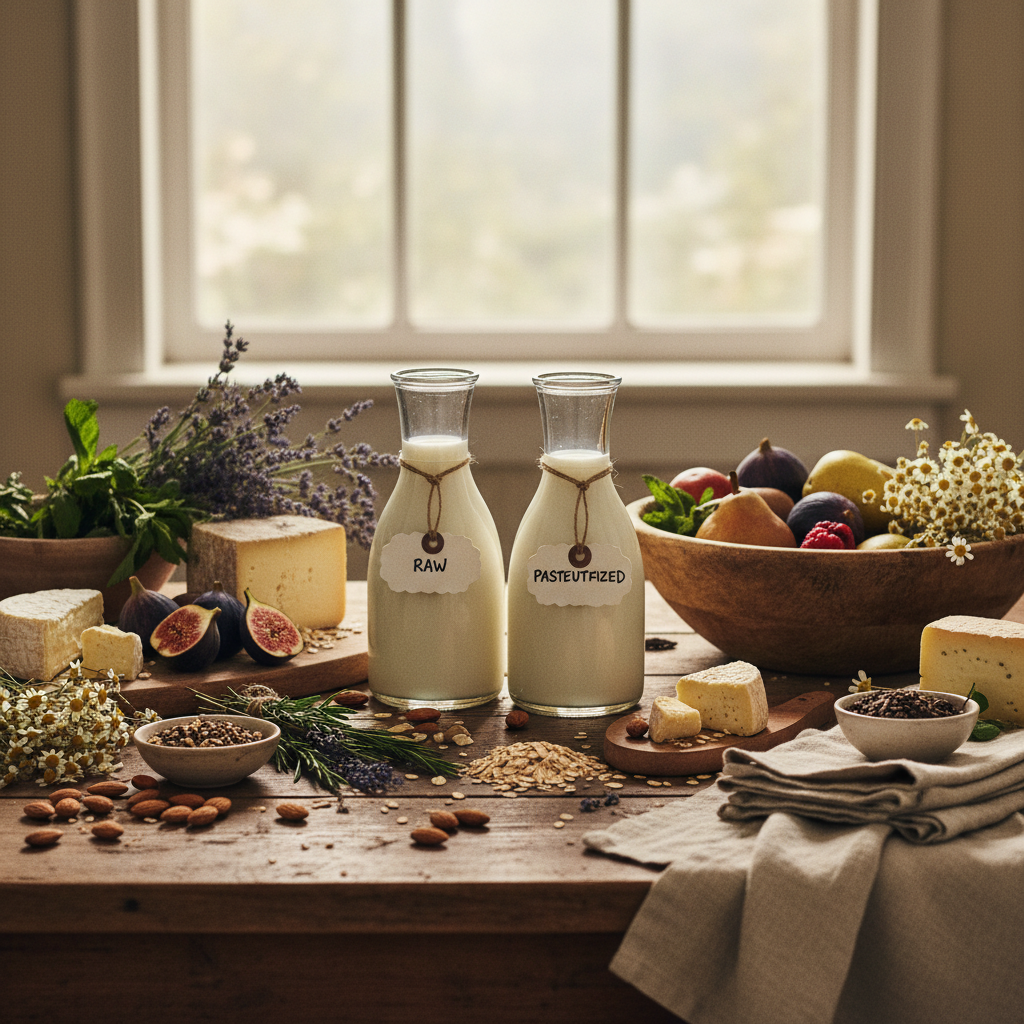
When considering raw milk vs. pasteurized milk, the core distinction lies in how they are processed. Raw milk is unheated, retaining its natural enzymes and beneficial bacteria, while pasteurized milk has been heated to kill potential pathogens, which also inactivates enzymes and some heat-sensitive nutrients. Choosing between the two often comes down to individual health philosophies, risk perception, and nutritional priorities.
## What is Raw Milk and How Does it Differ from Pasteurized?
Raw milk comes directly from a cow, goat, or sheep and has not undergone pasteurization. This means it has not been subjected to high temperatures. Proponents suggest this preservation of its natural state contributes to better digestibility and nutrient absorption.
Pasteurized milk, on the other hand, is heated to a specific temperature for a set time (e.g., 161°F for 15 seconds for High-Temperature Short-Time pasteurization). This process significantly reduces the number of potentially harmful bacteria, extending shelf life and enhancing safety for broad consumption.
## Why Do People Seek Alternatives to Conventional Dairy?
Many individuals seek alternatives to conventional, pasteurized dairy due to perceived digestive issues or concerns about nutrient degradation. Some report better tolerance to raw milk, attributing it to the presence of enzymes like lactase that are destroyed during pasteurization. Interest also stems from a desire for foods perceived as more 'natural' or 'whole.'
The debate around raw milk vs. pasteurized often focuses on nutrient content. While pasteurization does destroy some heat-sensitive vitamins (like Vitamin C and some B vitamins) and enzymes, it generally has a minimal impact on major nutrients like protein and calcium.
## What Actually Helps When Choosing Dairy Products?
Making informed choices about dairy involves understanding both nutritional content and potential risks. If considering raw milk, source it from reputable, certified farms that adhere to strict hygiene and testing protocols. This is crucial for minimizing risks associated with harmful bacteria like *E. coli* or *Listeria*.
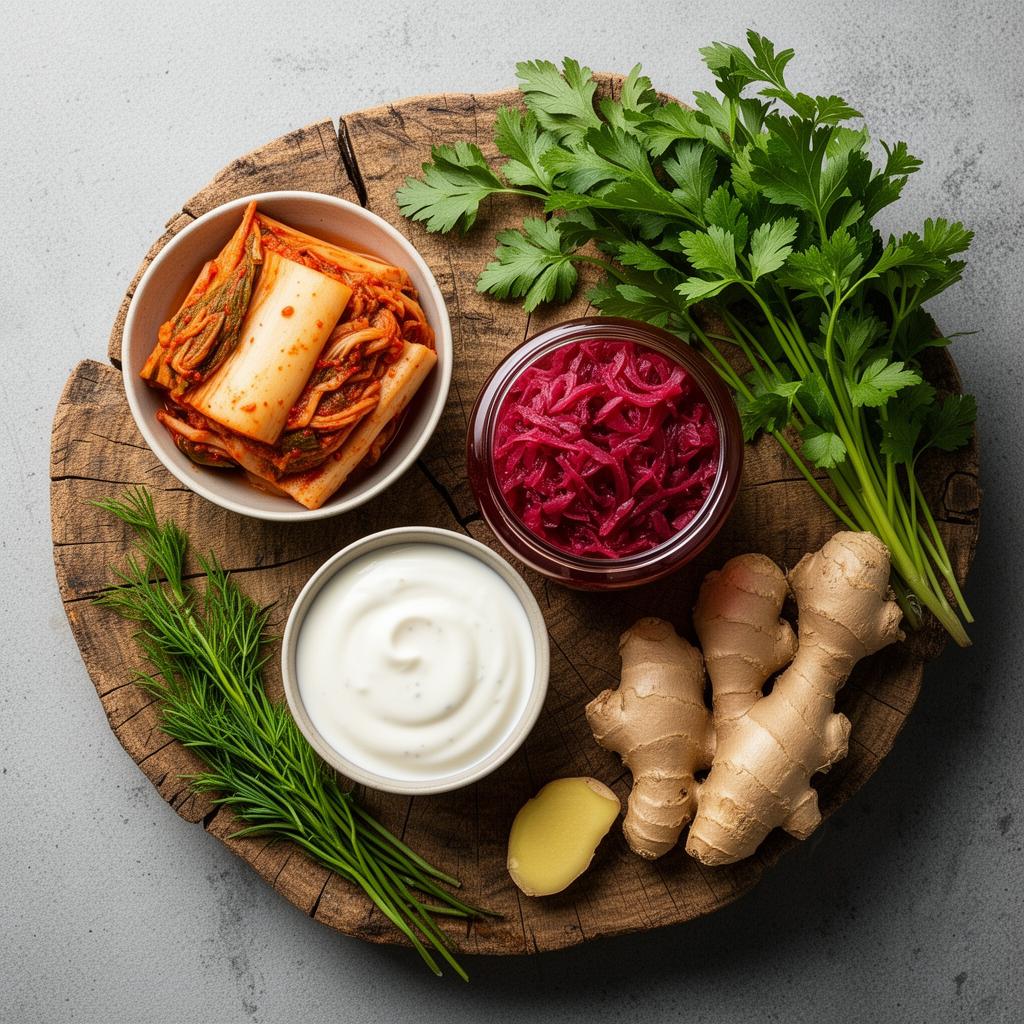
For those who prefer pasteurized options, consider organic, grass-fed varieties. These often come from animals raised without antibiotics or hormones and may offer a more favorable fatty acid profile, including higher levels of conjugated linoleic acid (CLA) and Omega-3s. Fermented dairy products like yogurt and kefir, which are typically made from pasteurized milk, also provide beneficial probiotics that support gut health.
### Practical Takeaways for Your Dairy Choices: - Understand that raw milk contains live enzymes and bacteria, while pasteurization inactivates these for safety. - Source raw milk only from farms with rigorous safety standards and testing. - Organic, grass-fed pasteurized dairy can offer enhanced nutritional benefits. - Fermented dairy products like kefir and yogurt provide gut-supporting probiotics. - Always prioritize food safety when making dietary choices, especially with raw foods.
## How Can a Daily Rhythm Support Digestive Wellness with Dairy?
Integrating dairy into a supportive daily rhythm can enhance overall digestive wellness. For many, consuming dairy with meals can aid digestion by buffering stomach acid and providing fats that slow gastric emptying. Pay attention to your body's response; some individuals tolerate dairy better at certain times of the day.
Consider pairing dairy with whole, unprocessed foods. A smoothie with organic yogurt, berries, and spinach, for example, combines probiotics with fiber and antioxidants. If you experience sensitivity, reducing portion sizes or opting for fermented forms like cultured buttermilk can be a gentle way to include dairy's nutritional benefits without digestive upset. The choice of raw milk vs. pasteurized also plays a role in how your body might process it.
## What Are the Key Considerations for Gut Health and Dairy?
Gut health is significantly influenced by what we consume, and dairy is no exception. For those without lactose intolerance, dairy can be a source of calcium, vitamin D, and protein. The beneficial bacteria found in raw milk or the added probiotics in fermented dairy can contribute to a diverse gut microbiome.
However, if you have a known dairy sensitivity or digestive issues, it's prudent to consult a healthcare professional. Exploring A2 milk, which contains a different type of beta-casein protein, might also be an option for some individuals who find conventional A1 milk problematic. Ultimately, the best dairy choice supports your unique digestive well-being and nutritional needs.