Reclaiming Our Gut: The Power of Traditional Fermented Pickles
Discover how simple homemade fermented pickles, rooted in tradition, helped me nourish my gut and transform my digestion for renewed vitality.
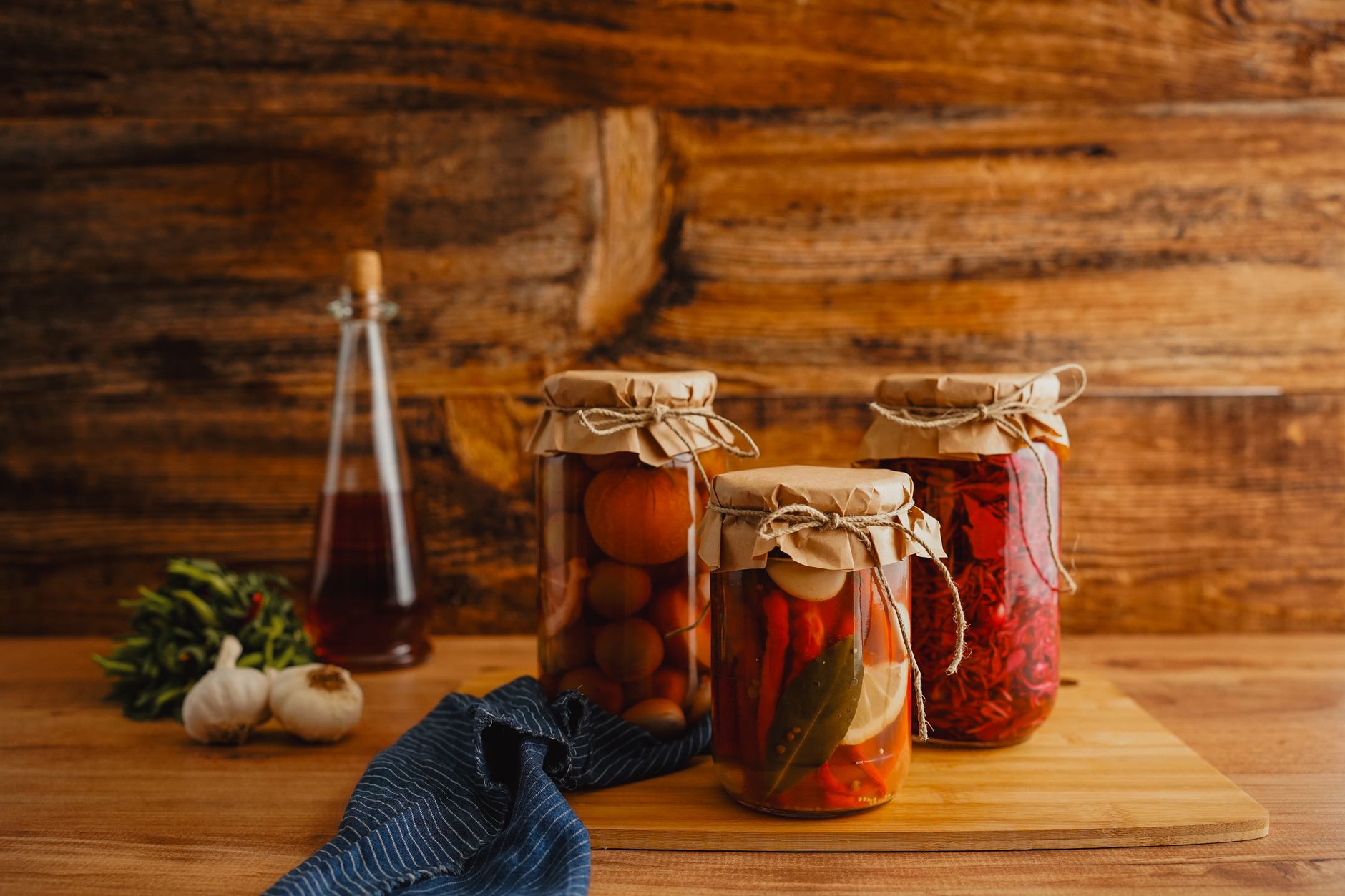
Life in Bengaluru as a software project manager, while exhilarating, often felt like a relentless sprint. My days were a blur of deadlines, virtual meetings, and quick, often processed, meals. Slowly but surely, my digestive system started protesting. Bloating, a persistent feeling of heaviness, and a general lack of energy became my unwelcome companions. I found myself reaching for antacids more often than I’d care to admit. I knew I needed a change, but the idea of complicated diets felt overwhelming. One evening, visiting my Dadi in her modest home in Malleswaram, I watched her prepare dinner. A small bowl of vibrant, homemade carrot pickle sat on the table, a staple with every meal. "This," she said, noticing my gaze, "is food for your insides. Not just for taste." Her words resonated deeply. My Dadi’s pickles weren’t the oil-laden, intensely spiced varieties I sometimes bought. These were simple, made with fresh, seasonal vegetables, a touch of salt, and a few spices, left to ferment naturally in ceramic jars. She swore by them, attributing her robust health and sharp mind at eighty-two partly to these daily fermented morsels. It sparked a curiosity in me: could something so humble and traditional hold the key to my modern digestive woes? Why Traditional Fermentation Matters for Your Gut For generations, fermentation has been a cornerstone of food preservation and enhancement in Indian households. Before refrigeration, methods like pickling, sun-drying, and culturing were essential to make food last and boost its nutritional value. What my Dadi knew instinctively, modern science is now confirming: these age-old processes are incredible for our gut health. Our gut is home to trillions of microorganisms—our gut microbiome—which plays a pivotal role in digestion, nutrient absorption, and even our immune system. A diverse and balanced microbiome is crucial for overall well-being. Modern diets, often high in processed foods and low in fiber, can disrupt this delicate balance, leading to the kind of discomfort I was experiencing. Traditional fermented foods, when prepared correctly, introduce beneficial bacteria and enzymes to our digestive system. They act like tiny gardeners, helping to cultivate a thriving inner ecosystem. This isn't just about adding flavor; it's about adding life to our meals and supporting the fundamental processes that keep us healthy. The Science Behind Your Fermented Feast The magic behind traditional fermented pickles lies in a process called lacto-fermentation. This is where beneficial bacteria, primarily Lactic Acid Bacteria (LAB), convert carbohydrates (sugars) present in the vegetables into lactic acid. This lactic acid acts as a natural preservative, inhibiting the growth of harmful bacteria, and creating that characteristic tangy flavor. When we consume these living foods, we introduce a diverse array of these beneficial LABs, often referred to as probiotics, into our gut. These probiotics help to improve the balance of the gut microbiome. They also aid in the breakdown of complex food components, making nutrients more bioavailable for our bodies to absorb. Beyond probiotics, the fermentation process can also produce postbiotics, which are beneficial compounds like short-chain fatty acids (SCFAs). SCFAs, such as butyrate, acetate, and propionate, are vital for maintaining the integrity of the gut lining, reducing inflammation, and even providing energy for gut cells. The fiber present in the vegetables also acts as prebiotics, feeding the beneficial bacteria already residing in our gut, creating a synergistic effect for optimal gut health. A Taste of History: Pickles Across Indian Cultures Pickles, or achaar as they are widely known, are deeply woven into the fabric of Indian culinary heritage. From the fiery chili pickles of Andhra Pradesh to the sweet and sour lemon pickles of Punjab, and the simple vegetable pickles of Karnataka, every region boasts its unique variations and preparation methods. These weren't just accompaniments; they were strategic food items. Historically, pickles served as a way to preserve seasonal gluts of vegetables and fruits, ensuring food availability throughout the year. They also added a necessary dose of flavor and often, as Dadi understood, digestive support to simple meals of rice, roti, and dal. The clay pots and ceramic jars used for fermentation were not just containers; they were crucial tools that provided the ideal anaerobic environment for the beneficial bacteria to thrive. Traditional pickling methods varied, some relying on oil, others on salt and spices, and many, like my Dadi’s, on the simple power of lacto-fermentation with minimal fuss. This practice has endured for centuries, passed down through generations, not just for its taste but for its recognized role in enhancing digestion and general well-being. What Emerging Research Suggests About Fermented Foods While traditional wisdom has long lauded the benefits of fermented foods, scientific inquiry is increasingly shedding light on their mechanisms. Studies suggest that regular consumption of diverse fermented foods can contribute to a more varied gut microbiome, which is often associated with better health outcomes. Emerging evidence points to fermented foods potentially aiding in digestive comfort, helping to alleviate symptoms of mild bloating and indigestion in some individuals. Research also explores their potential influence on immune system modulation, as a significant portion of our immune system resides in the gut. Furthermore, there's growing interest in the gut-brain axis, and studies suggest that a healthy gut microbiome, supported by fermented foods, might have a positive impact on mood and cognitive function. It’s important to remember that the effects can be highly individual, and the specific benefits depend on the type of fermentation, the microbial strains present, and the overall diet. But the collective body of work underscores the value of including these time-honored foods in our modern diets. My Journey: From Bloat to Balance with Homemade Achaar Inspired by Dadi, I decided to embark on my own pickle-making journey. I started simply: organic carrots, a touch of mustard seeds, fenugreek, some turmeric, unrefined salt, and filtered water. I cut the carrots, mixed them with the spices and salt, placed them in a clean glass jar, topped with brine, and sealed it, leaving it on my kitchen counter away from direct sunlight. Within a few days, tiny bubbles appeared—a sign of the fermentation at work. The aroma changed from fresh vegetable to a pleasantly tangy scent. After about a week, I tasted it. It was crunchy, sour, and utterly delicious. I started adding a small spoonful to my lunch and dinner, a tradition I remembered from Dadi’s table. The changes weren't dramatic overnight, but they were steady and noticeable. Within a month, the persistent bloating after meals began to subside. I felt lighter, and my digestion became more regular. My energy levels, which had often dipped in the afternoon, felt more stable. It wasn't a miracle cure, but a gentle, consistent shift towards better gut health, powered by simple, live food. This simple act of making and consuming traditional fermented pickles became a grounding ritual in my hectic life. It reconnected me to my food, to my heritage, and most importantly, to my body's natural rhythms. It taught me that sometimes, the most profound wellness solutions are found in the wisdom of our ancestors, re-embraced in a modern context. How to Introduce Traditional Fermented Pickles This Week Ready to bring the power of fermented pickles into your own kitchen? It’s simpler than you might think and doesn't require any fancy equipment. Start small and consistent, focusing on simple lacto-fermented vegetable pickles, not the heavily processed store-bought varieties that often lack beneficial bacteria. Here’s how you can get started this week: - Choose a Simple Vegetable: Carrots, cucumbers, green beans, or even raw mango pieces are excellent choices for a first fermented pickle. Opt for organic, fresh produce whenever possible. - Basic Brine: For every cup of filtered water, dissolve about 1 tablespoon of unrefined sea salt. This creates the environment for beneficial bacteria to thrive while keeping spoilage at bay. - Add Spices (Optional): A pinch of mustard seeds, fenugreek seeds, turmeric, or red chili powder can add flavor without compromising the fermentation. Avoid adding oil initially for fermentation purposes. - Ferment in a Clean Jar: Pack your cut vegetables and spices into a clean glass jar. Pour the brine over them, ensuring the vegetables are fully submerged (you can use a small weight, like a clean stone or a smaller glass jar, to keep them under the liquid). Leave about an inch of headspace. - Room Temperature Magic: Cover the jar loosely (to allow gases to escape) and leave it on your kitchen counter, out of direct sunlight, for 3-7 days. Taste daily after day 3. Once it reaches your desired tanginess, transfer it to the refrigerator to slow down fermentation. - Start Small: Incorporate just a tablespoon or two with your meals. Consistency is key to supporting your gut health over time. Enjoy the tangy, vibrant flavors and the subtle benefits these living foods bring.
If this helped, pass it on — that's how the community grows.