Rediscovering Bathua: My Secret to Gut Comfort and Nutrient Boost
Priya shares how traditional preparation of bathua, a seasonal green, transformed her digestion and boosted her nutrient intake, offering a simple path to wellness.
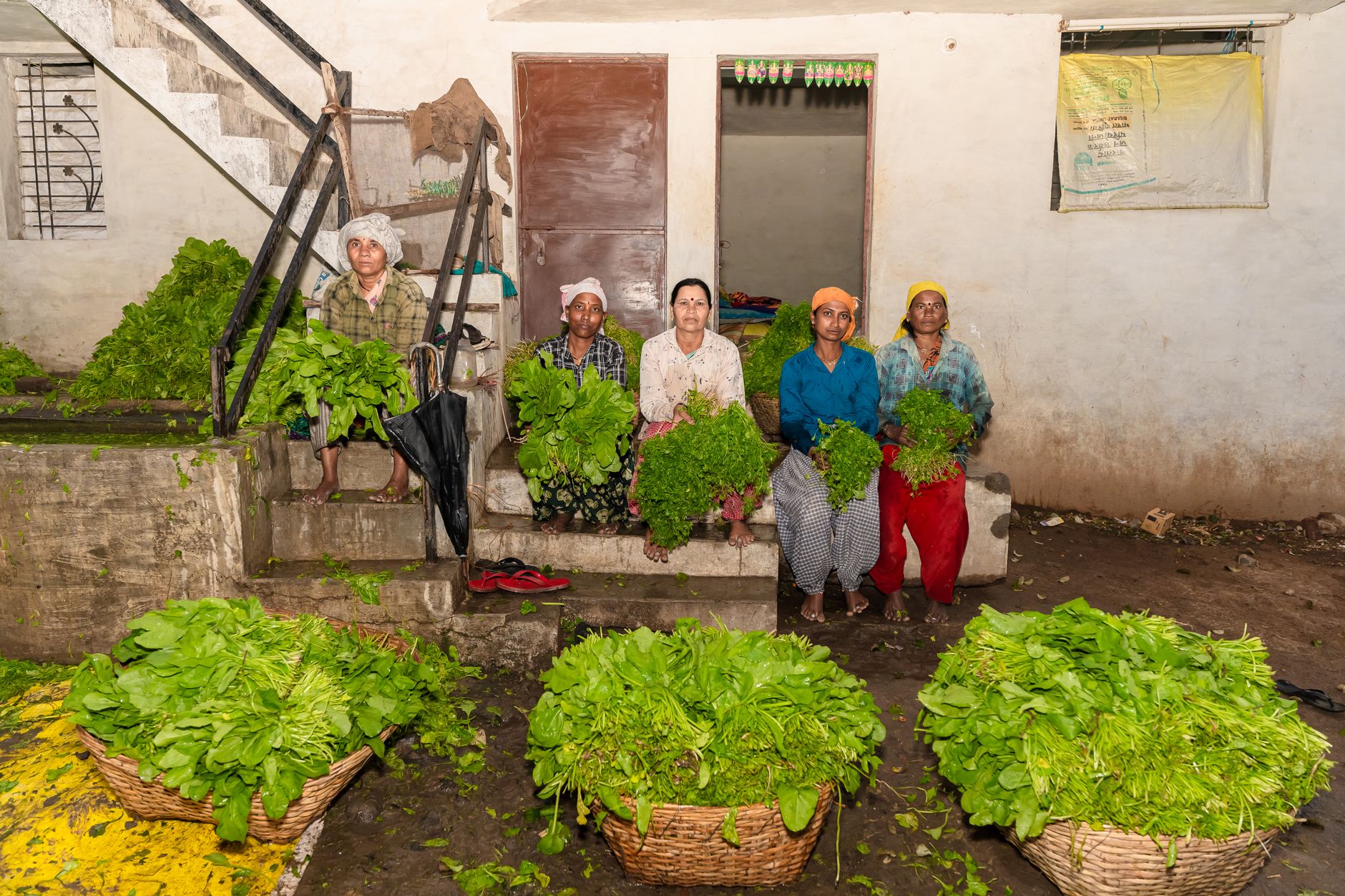
Life as a software project manager in bustling Bengaluru meant a demanding schedule. For years, I, Priya Sharma, 38, found myself relying on quick meals, often processed and lacking the vibrancy I remembered from my childhood. My digestive system, once robust, had become sluggish. Bloating, inconsistent energy levels, and a general sense of disconnect from my food became my new normal. I knew I needed a change, a return to something simpler, more rooted in tradition. My journey back to wellness wasn’t about expensive supplements or drastic diets. It began with a conversation with my grandmother during a winter visit to her home in Rajasthan. She spoke animatedly about bathua, or lamb’s quarters, a humble, leafy green that was a winter staple in their village. She recounted how it powered generations, offering sustenance and vitality through the colder months. I realized then that perhaps the answers I sought weren't in trending superfoods, but in the forgotten wisdom of my own kitchen. What is Bathua and Why Does it Matter for Our Health? Bathua (Chenopodium album) is more than just a seasonal green; it’s a nutritional powerhouse often dismissed as a ‘weed’ by modern agriculture. It thrives in winter, growing abundantly across India, especially in the northern regions. Its resilience and widespread availability historically made it a crucial food source, providing essential nutrients when other produce was scarce. Traditionally, bathua has been revered for its digestive benefits and overall nourishing properties. It’s frequently used in saags, mixed with dals, or even incorporated into rotis and parathas. Its slightly earthy, salty taste is distinct and becomes a delightful component of winter meals, offering a grounding complement to rich, warming dishes. The Science Behind Bathua's Nutritional Power When I delved into the nutritional profile of bathua, I was truly amazed. This unassuming green is packed with vitamins and minerals crucial for optimal health. It's an excellent source of Vitamin A, essential for vision and immune function, and Vitamin C, a potent antioxidant that supports skin health and immunity. Bathua also provides significant amounts of Vitamin K, vital for blood clotting and bone health, and B vitamins like folate, which are important for cell growth and metabolism. Beyond vitamins, it's rich in essential minerals such as iron, calcium, magnesium, and potassium, all playing diverse roles from red blood cell formation to nerve function and muscle contraction. One key aspect of bathua, like many leafy greens, is its content of oxalates. Oxalates are natural compounds that can bind with minerals like calcium and iron, potentially reducing their absorption. However, traditional Indian cooking methods often involve techniques that effectively reduce oxalate content. For instance, blanching bathua before cooking, as my grandmother always did, helps leach out a significant portion of these compounds. Furthermore, cooking it with ingredients like dals or paneer (dairy products rich in calcium) can help chelate any remaining oxalates, making the other nutrients more bioavailable. This intricate dance of ingredients isn't just about taste; it's about maximizing nutritional uptake, a wisdom passed down through generations. Bathua's Rich History and Cultural Roots in Indian Cuisine Bathua’s presence in Indian cuisine dates back centuries, deeply interwoven with agricultural cycles and regional food traditions. In North Indian states like Punjab, Rajasthan, Uttar Pradesh, and Haryana, it’s an iconic winter green. Its hardiness meant it could be cultivated even in challenging conditions, making it a reliable source of nutrition for rural communities. Historically, bathua was a dietary staple, often paired with makki ki roti (cornbread), providing a balanced meal during the harsh winters. It was valued not just for its nutrient density but also for its warming properties, believed to help the body combat the cold. Recipes varied, from simple saags simmered with garlic and green chilies to more elaborate preparations with lentils or potatoes. Its versatility and availability ensured its survival as a culinary cornerstone, embodying the principles of seasonal and local eating long before these concepts became wellness trends. What Research Suggests About Leafy Greens and Digestion Modern nutritional science increasingly affirms the wisdom of traditional diets rich in leafy greens. Studies suggest that the high fiber content in greens like bathua plays a pivotal role in digestive health. Dietary fiber acts as a prebiotic, feeding beneficial gut bacteria, which in turn produce short-chain fatty acids vital for gut lining integrity and overall metabolic health. Emerging evidence points to the anti-inflammatory and antioxidant properties of phytonutrients found abundantly in leafy greens. These compounds may help protect cells from damage and support the body’s natural detoxification processes. Research also indicates that a diet rich in diverse plant foods, including seasonal greens, contributes to a more varied and resilient gut microbiome, which is increasingly linked to everything from immune function to mood regulation. While specific large-scale clinical trials on bathua are limited, the broad benefits of its nutritional family are well-established. How I Reconnected with Bathua for Digestive Ease My return to Bengaluru after that winter visit wasn’t just with renewed enthusiasm, but with a mission: to find and cook bathua. I sought out a local sabziwala who, to my delight, stocked fresh bundles of it during the winter months. He even shared a simple trick: pick leaves that are vibrant green and tender. I started with my grandmother’s most basic recipe: a simple bathua ka saag. I meticulously cleaned the leaves, blanched them briefly, then chopped and sautéed them with garlic, green chilies, and a hint of cumin. The aroma filling my kitchen was a nostalgic embrace. The first bite was earthy, comforting, and surprisingly light. Within a couple of weeks of incorporating bathua into my diet 2-3 times a week – sometimes as a side, sometimes mixed into my dal – I noticed a significant difference. My bloating subsided, my energy levels felt more consistent, and my digestion became remarkably smoother. It wasn't a miracle cure, but a gentle, steady shift towards internal harmony. The real joy was how this humble green encouraged me to slow down. The process of cleaning, blanching, and cooking became a meditative ritual. It made me more mindful of what I was putting into my body and rekindled my appreciation for seasonal produce. I felt more connected to my food, to my heritage, and ultimately, to my own well-being. Simple Ways to Incorporate Bathua into Your Weekly Meals Embracing bathua is easier than you might think, especially during the winter season when it’s fresh and abundant. It's a wonderful way to add a potent nutrient boost and unique flavor to your meals. Here are a few practical ideas to get you started:
- Simple Saag: After cleaning and blanching, finely chop bathua. Sauté with a generous amount of garlic, ginger, green chilies, and a pinch of cumin and turmeric. A dash of lemon juice at the end brightens the flavor. Serve with roti or paratha.
- Bathua Dal: Add blanched and chopped bathua directly to your favorite lentil preparation (like toor dal or moong dal) during the last 10-15 minutes of cooking. This not only enhances the nutritional profile but also adds a lovely texture and earthy flavor.
- Stuffed Parathas/Rotis: Mix finely chopped, blanched bathua with whole wheat flour, along with some spices like ajwain, red chili powder, and salt, to make a nutritious dough for parathas or rotis. You can also use it as a stuffing, similar to aloo paratha.
- Raita: For a refreshing twist, finely chop blanched bathua and mix it into plain yogurt with a pinch of roasted cumin powder and salt. This makes a cooling and nutrient-dense accompaniment to any meal.
My journey with bathua reminds me that true wellness often lies not in chasing the latest health fad, but in rediscovering and respecting the wisdom embedded in our traditional foods. It’s about eating seasonally, mindfully, and in harmony with what our land provides.
If this helped, pass it on — that's how the community grows.