Sabja Seeds: My Cooling Secret for Digestive Ease & Summer Comfort
Discover how Anjali in Pune embraced sabja seeds, a traditional cooling aid, for improved digestion, reduced acidity, and refreshing summer comfort. A simple, ancient solution for modern wellness.
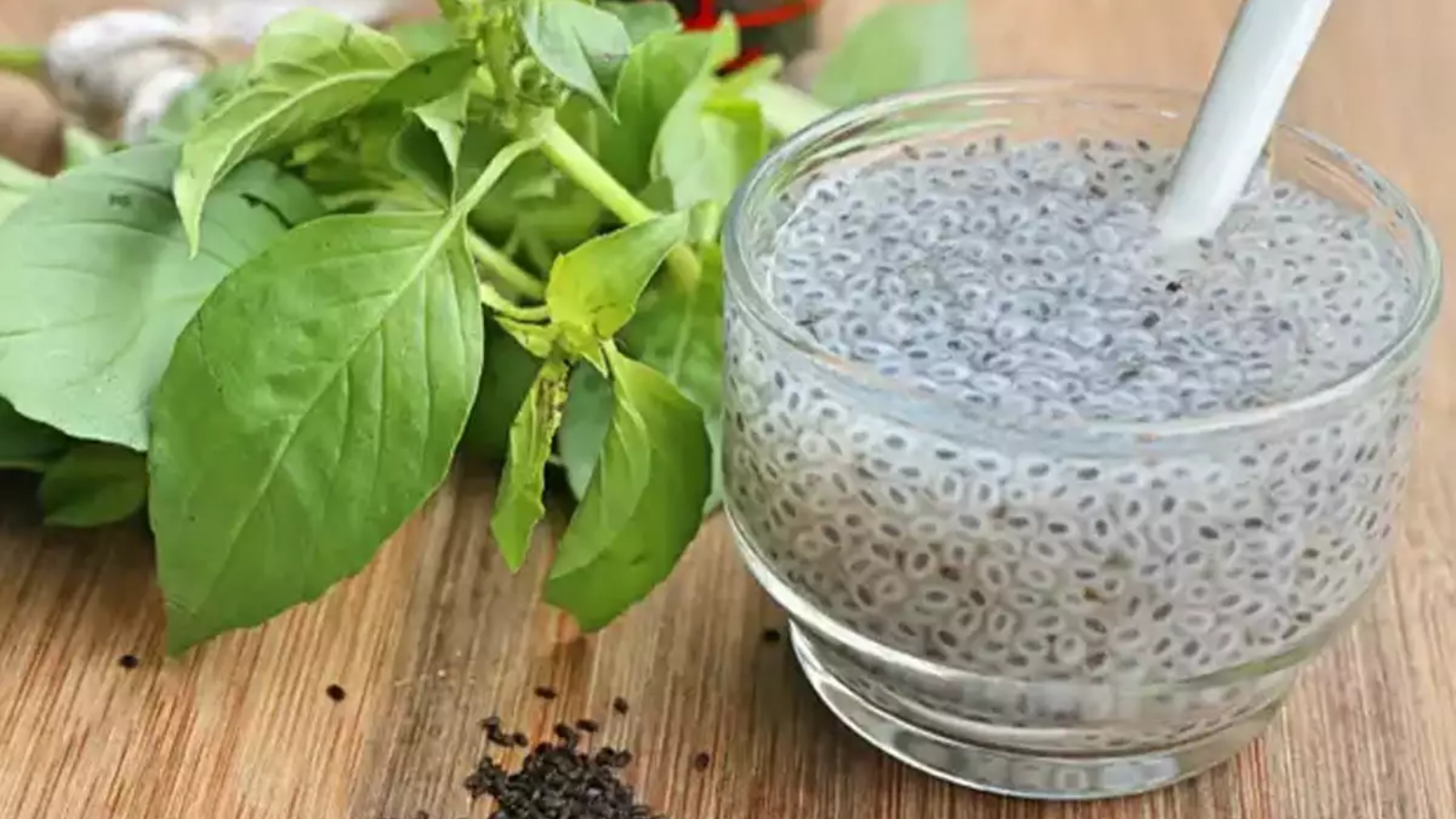
Living in Pune, the summers can be intense. For years, I, Anjali Sharma, a 38-year-old graphic designer, found myself battling not just the scorching heat, but also its uncomfortable internal repercussions. My days were often marked by a constant feeling of 'heatiness' – a nagging acidity that would creep up after meals, occasional bloating, and an overall sluggishness that made focusing on my design projects a real challenge. I tried everything from endless glasses of water to various digestive aids, but the relief was often temporary. My daily routine, spent largely in front of a computer screen, only seemed to worsen these issues, leaving me craving something truly restorative. Then, one sweltering afternoon, while visiting my grandmother, Aaji, she offered me a glass of nannari sherbet, generously dotted with tiny, jelly-like seeds. “These are sabja seeds, beta,” she explained, “They’ll cool you down from the inside out and settle your tummy.” Skeptical but desperate for relief, I drank it. To my surprise, the subtle sweetness and soothing texture were incredibly refreshing. More importantly, later that day, I noticed a distinct lightness in my stomach. That was my introduction to sabja seeds, and it marked the beginning of a profound shift in how I approached my summer wellness. My Simple Secret to Beating the Heat and Acidity The immediate effect of those sabja seeds was profound. The constant burning sensation I often experienced in my chest and throat, a hallmark of my acidity, seemed to subside almost immediately. Over the next few days, I started adding a spoonful of soaked sabja to my morning glass of water or buttermilk. The change was remarkable. My digestive system, which often felt sluggish and irritated by the heat, began to feel calm and efficient. The discomfort after meals became less frequent, and the bloating that used to make me feel heavy and tired throughout the day significantly reduced. This wasn't just about a temporary coolness. It was about addressing the root causes of my discomfort. The heat in Pune often led me to crave cold, processed foods and sugary drinks, which only exacerbated my digestive woes. Sabja seeds, integrated into simple, traditional beverages, offered a natural and effective way to counteract these effects. It felt like my body was finally finding its natural rhythm again, without relying on quick fixes or artificial remedies. My Aaji’s wisdom was indeed a treasure, guiding me back to a fundamental aspect of seasonal eating and internal balance. The Science Behind Sabja Seeds: More Than Just Cooling The profound impact of sabja seeds isn't just anecdotal; it’s rooted in their unique nutritional profile and biological mechanisms. Primarily, sabja seeds (from sweet basil, Ocimum basilicum) are an excellent source of soluble fiber, particularly mucilage. When these tiny black seeds are soaked in water, they swell significantly, forming a translucent, gelatinous coating. This mucilage is the key to many of their benefits. In the digestive tract, this gel acts as a gentle bulk-forming laxative, promoting smooth bowel movements and aiding in the elimination of waste, which in turn helps alleviate bloating and constipation. Beyond physical bulk, the soluble fiber also plays a role in regulating blood sugar levels by slowing down the absorption of carbohydrates. This helps prevent sudden spikes and crashes, contributing to more sustained energy throughout the day. Furthermore, the mucilage has a soothing effect on the stomach lining, creating a protective barrier against excess stomach acid, which is precisely why it’s so effective in reducing acidity and heartburn. Sabja seeds also contain small amounts of essential minerals like iron and magnesium, as well as alpha-linolenic acid (ALA), a plant-based omega-3 fatty acid, which contributes to overall well-being. A Taste of Tradition: Sabja's Journey Through Indian Kitchens Sabja seeds, often referred to as Tukmaria, have a deep-rooted history in Indian culinary and traditional medicine practices. Unlike their more popular cousin, the Holy Basil (Tulsi), sweet basil seeds have been cherished for centuries specifically for their cooling and digestive properties. Across various regions of India, these seeds are a staple in summer drinks, forming the iconic texture in refreshing beverages like falooda, a layered dessert drink, and nannari sarbat, a fragrant herbal syrup mixed with water. From the busy streets of Mumbai where vendors sell glasses of chilled Rooh Afza with sabja, to the serene homes in the South where they are added to traditional lemonades and buttermilk, sabja seeds are synonymous with beating the summer heat. This widespread adoption isn't just about taste; it’s a testament to the practical wisdom of our ancestors who understood the body’s needs in different seasons. Their ability to swell and provide a feeling of fullness also meant they were sometimes used in preparations to manage appetite, making them a valued ingredient in a holistic approach to health. Their resilience in traditional recipes across diverse cultures speaks volumes about their time-tested efficacy. What the Research Suggests About Basil Seeds While specific large-scale clinical trials on sabja seeds are ongoing, existing nutritional science and traditional understanding align on several of their benefits. Studies suggest that the high soluble fiber content, primarily mucilage, found in basil seeds can significantly contribute to digestive health. This includes promoting gut regularity and providing a soothing effect on the gastrointestinal tract, which can be particularly beneficial for those experiencing acidity or irritation. Emerging evidence points to the potential of basil seeds to aid in blood sugar management. The gelatinous consistency formed upon soaking can slow the digestion and absorption of carbohydrates, leading to a more gradual rise in blood glucose levels post-meal. Beyond their fiber content, basil seeds also contain plant compounds like flavonoids and other polyphenols, which studies suggest possess antioxidant and anti-inflammatory properties. This reinforces their traditional use as a general wellness ingredient, supporting the body’s natural defenses against oxidative stress and inflammation. How Sabja Seeds Transformed My Daily Wellness Integrating sabja seeds into my daily routine was surprisingly easy and yielded compounding benefits. It wasn't just about managing summer heat anymore; it became a year-round practice for digestive comfort. My energy levels became more stable, and the afternoon slump I once felt, often linked to digestive distress and fluctuating blood sugar, largely disappeared. I noticed my skin, too, looked a little clearer, possibly due to the improved gut health and consistent hydration. What started as a simple remedy from Aaji evolved into a mindful habit. I began to actively seek out organic sabja seeds, ensuring they were free from pesticides and chemical treatments. This small step felt like a significant commitment to my overall well-being and aligned perfectly with the organic living principles I valued. The subtle ritual of soaking the seeds each evening became a quiet moment of self-care, a tangible connection to the traditional wisdom passed down through generations. My work as a graphic designer, which demands long hours of focused attention, became less taxing as my body felt more balanced and less burdened by internal discomforts. It's truly a testament to how simple, traditional ingredients can bring about significant, lasting changes. How to Use Sabja Seeds This Week Ready to experience the gentle power of sabja seeds yourself? They are incredibly versatile and easy to incorporate into your daily routine. Here are a few simple ways to start this week:
- Soak Them First: Always soak sabja seeds before consumption. Just one tablespoon of seeds in half a cup of water for 30 minutes (or even overnight) will suffice. They will swell up considerably.
- Morning Refreshment: Add 1-2 tablespoons of soaked sabja seeds to your morning glass of water, fresh lime water, or even your daily buttermilk (chaas). It adds a lovely texture and an instant cooling effect.
- Smoothie & Lassi Booster: Stir a spoonful into your homemade fruit smoothies or traditional Indian lassi. It will add fiber and a delightful chewiness, making your drink more filling.
- Dessert & Salad Topping: Sprinkle soaked sabja seeds over fruit salads, kheer (rice pudding), or even a bowl of yogurt for added texture, nutrients, and a cooling touch.
- Natural Thickeners: In certain recipes, soaked sabja can be used as a natural thickener or to add body to cold soups or mocktails. Experiment cautiously to find what you like.
Sabja seeds are a wonderful reminder that sometimes the most effective solutions are found in the simplest, most traditional practices. Embracing this humble ingredient has not only brought me physical comfort but also a deeper appreciation for the wisdom embedded in our cultural heritage. Give them a try; your body might just thank you for it.
If this helped, pass it on — that's how the community grows.