The Humble Bhindi: Why My Digestion Loves Ladyfingers
Discover how a traditional Indian vegetable, bhindi, has become my digestive secret weapon. Learn the science and cultural wisdom behind this simple food.
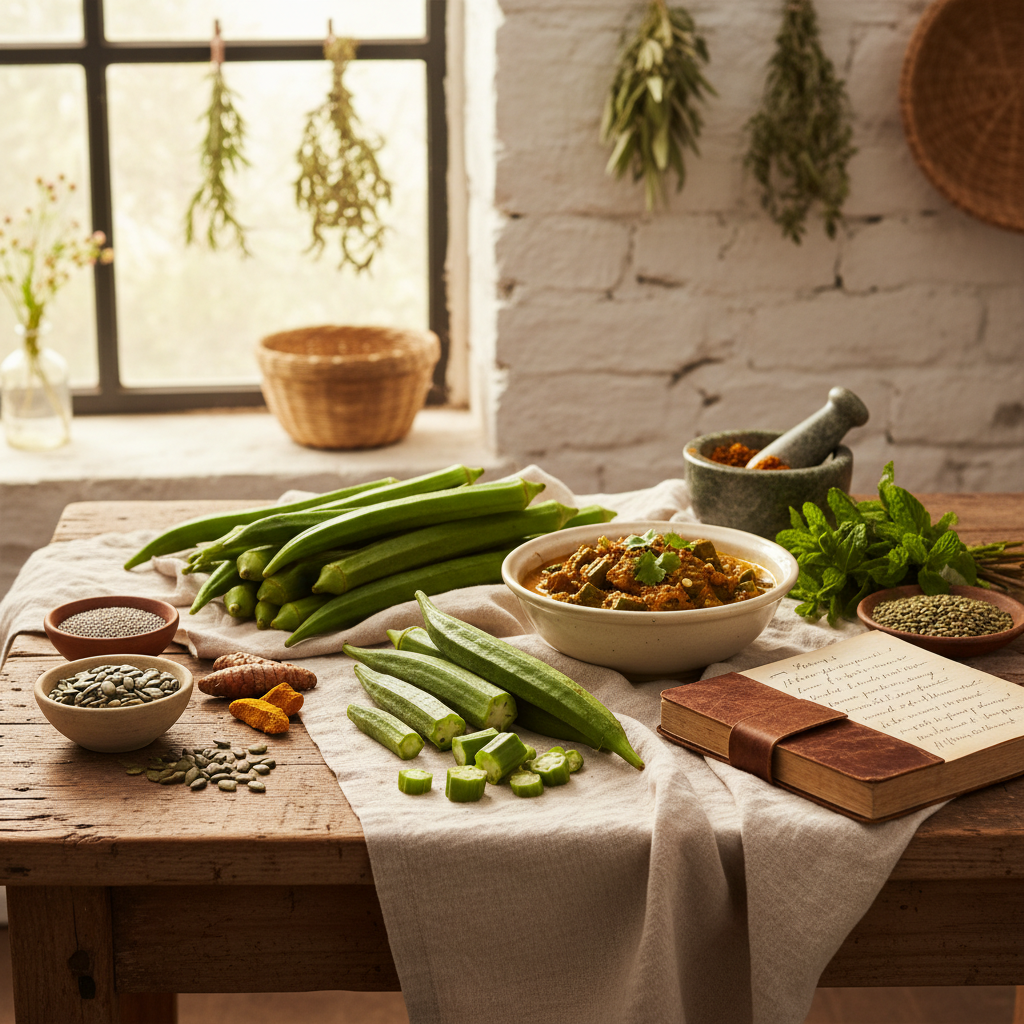
My name is Anjali, and I'm a 34-year-old architect living in Bengaluru. For years, I struggled with what I called a 'fussy' digestive system. Bloating, indigestion, and a general feeling of sluggishness were my constant companions, especially after meals. I'd tried all the usual suspects: probiotics, cutting out gluten, even various herbal remedies suggested by well-meaning friends. Nothing seemed to stick. Then, one monsoon afternoon, while reminiscing with my nani over a plate of her home-cooked bhindi ki sabzi, she casually remarked, "This is good for your pet (stomach), you know. Always makes things smooth." I’d always loved bhindi, or ladyfingers, but I’d never connected it to digestion. It was just a comforting vegetable from my childhood. That simple comment, however, sparked a curiosity in me – could this everyday vegetable really hold a key to my ongoing digestive woes? Why does bhindi matter for digestion? What makes bhindi a potential ally for digestive health lies primarily in its unique mucilage and fiber content. While often overlooked for flashier superfoods, the humble ladyfinger packs a powerful punch, particularly for a gut that needs gentle support rather than aggressive intervention. My nani's observation about "making things smooth" aligns perfectly with the biological action of bhindi. The mucilage, a gel-like substance found in bhindi, is essentially soluble fiber. When consumed, this mucilage absorbs water and forms a soothing, viscous gel. This gel acts like a gentle lubricant through the digestive tract, which can help to facilitate smoother bowel movements. For someone like me who often felt 'stuck,' this mechanical action was a revelation. It didn't stimulate my gut aggressively, but rather, it provided a comforting glide. The science of bhindi's digestive benefits. From a scientific perspective, the soluble fiber in bhindi is not just about lubrication. It plays a crucial role as a prebiotic. Prebiotics are non-digestible food ingredients that promote the growth of beneficial microorganisms in the gut. These good bacteria, in turn, produce short-chain fatty acids (SCFAs) like butyrate, which are vital for maintaining the health of the intestinal lining and supporting a balanced gut microbiome. Emerging evidence points to the importance of a diverse and healthy gut microbiome for overall well-being, influencing everything from nutrient absorption to immune function. By feeding these beneficial bacteria, bhindi indirectly contributes to a more robust and resilient digestive system. The insoluble fiber present in bhindi also aids digestion by adding bulk to stool, promoting regularity, and preventing constipation. Studies suggest that diets rich in various forms of fiber, including those found in vegetables like bhindi, are associated with better digestive outcomes and may contribute to a reduced risk of certain digestive discomforts. It’s not a cure, but a consistent, gentle support system for the gut. Bhindi in Indian tradition: More than just a vegetable. Bhindi has been a staple in Indian cuisine for centuries, transcending regional boundaries with its adaptability. From the spicy bhindi fry of North India to the tangy vendakkai puli kulambu of the South, it's a vegetable deeply embedded in our culinary heritage. Its prevalence isn't just about taste; it's often rooted in an understanding of its health properties, even if not always articulated in modern scientific terms. Traditional Ayurvedic texts, while not specifically naming 'mucilage' or 'prebiotics,' often emphasize the importance of easily digestible, unctuous foods for maintaining agni (digestive fire) and ensuring proper elimination. The soothing qualities of bhindi, its ability to soften stool and ease passage, align well with these traditional principles. It was seen as a nourishing, balancing food, especially during hotter months or for individuals with a more sensitive digestion. My nani's generation understood its benefits intuitively, passed down through kitchen wisdom over centuries. What the research suggests about dietary fiber and gut health. Numerous research studies underline the fundamental role of dietary fiber in human health. When we talk about fiber, vegetables like bhindi come to mind as accessible sources. Research suggests that adequate fiber intake is crucial for maintaining bowel regularity and promoting a healthy gut microbiome. A diverse intake of plant-based fibers, including the mucilage found in bhindi, appears to be beneficial. Some studies show that specific types of soluble fiber can help normalize bowel movements, whether one tends towards constipation or occasional loose stools, by regulating water content in the gut. While no single food acts as a miracle cure, incorporating fiber-rich vegetables like bhindi into a balanced diet is a well-established strategy for supporting digestive comfort and overall gut health. The effects are often subtle and cumulative, building up over consistent consumption. How to use bhindi this week for smoother digestion. Reconnecting with bhindi has been a simple, yet profound, shift in my diet. I now actively seek out fresh, tender ladyfingers at the local market. The beauty of bhindi is its versatility and how easily it integrates into Indian cooking. Here are a few ways I’ve been incorporating it:
- Simple Stir-Fry: My go-to is a lightly spiced bhindi ki sabzi. Chopping the bhindi into small pieces and cooking it gently until tender, but not mushy, helps retain its beneficial properties. Avoid overcooking to preserve the texture and nutrients.
- Add to Lentil Soups (Dal): A handful of chopped bhindi added towards the end of cooking a dal can blend in seamlessly, offering its digestive support without altering the main flavor profile too much. It becomes a subtle thickener.
- Roasted Bhindi: Toss bhindi with a little oil and your favorite spices (turmeric, a pinch of chili, cumin powder) and roast until slightly crisp. This makes for a great side dish or snack.
- Grated into Raita: For a cooling option, finely grate raw or lightly blanched bhindi into a simple yogurt raita. This is particularly soothing and good for summer digestion.
Since consistently including bhindi in my diet, I've noticed a significant difference. The constant bloating has subsided, and my digestion feels remarkably smoother and more comfortable. It’s not a dramatic overhaul, but a gentle, sustained improvement that has made a real impact on my daily well-being. Sometimes, the answers we seek are found in the simplest, most traditional foods right under our noses.
Quick quiz
Test what you just read
No score kept, no pressure — just a fun way to make it stick.
1. How did Anjali first realize her humble bhindi might be a secret digestive weapon?
2. What special 'gooey' substance in bhindi makes it a digestive superstar, according to Anjali's article?
3. Beyond just 'lubricating,' what other amazing digestive role does bhindi's soluble fiber play in your gut?
4. How does traditional Indian (and Ayurvedic) wisdom broadly view foods like bhindi for digestion?
0 of 4 answered.
If this helped, pass it on — that's how the community grows.