Winter Warmer: My Immunity Boost with Traditional Spices
A first-person account of how integrating warming spices for winter immunity transformed wellness. Discover practical science-backed tips for your health.
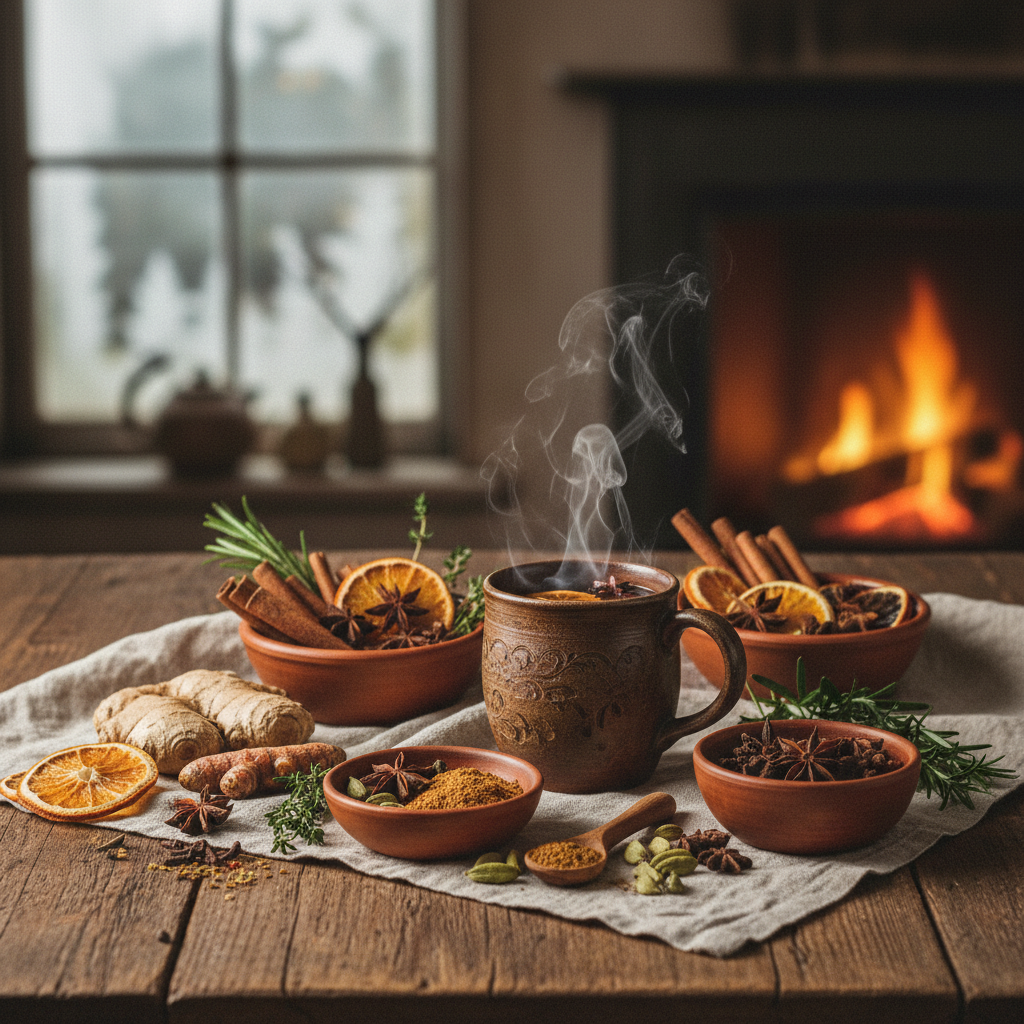
Life in Pune, especially working as an architect at 32, can be relentlessly fast-paced. My days were a blur of project deadlines, client meetings, and the constant hum of city life. For years, I ate convenience foods, grabbing whatever was quick between tasks. My immune system seemed to mirror my chaotic schedule – perpetually struggling, especially during the cooler months. Every winter brought a predictable cycle of sniffles, sore throats, and a lingering lethargy that made tackling even simple tasks feel monumental. I was tired of feeling run down, always one step behind. Then, I remembered my grandmother, Dadi, back in Nashik. Her kitchen was a symphony of aromas, a testament to food as medicine. She’d insist I drink her special concoctions, especially when the air turned crisp. I dismissed them then, but as I faced another season of low-grade illness, her wisdom suddenly held a new appeal. This winter, I decided to try something different: a deliberate, conscious return to the warming spices Dadi championed, focusing on their potential for boosting my winter immunity. It wasn't about a radical diet overhaul, but a subtle, consistent integration of traditional practices into my modern life. Why are certain spices so vital for winter immunity? Our bodies react differently to seasonal changes. In colder months, our metabolism can slow down, and our immune systems can become more vulnerable. Traditional Indian culinary practices, deeply rooted in Ayurveda, often emphasize 'warming' foods during winter. This isn't just about the perceived sensation of heat; it's about stimulating internal processes. These spices aren't merely flavor enhancers; they are complex botanical compounds that interact with our physiology in profound ways. They help maintain internal warmth, stimulate digestion, and support the body's natural defenses, which become particularly important when external conditions are challenging. How do warming spices actually work in the body? Consider ginger. Its pungent taste comes from gingerols and shogaols. These compounds have been shown to possess potent anti-inflammatory and antioxidant properties. When consumed, they can help reduce inflammation throughout the body, including the respiratory tract, potentially alleviating symptoms of colds and flu. Turmeric, with its active compound curcumin, is another powerhouse. Curcumin is a well-researched anti-inflammatory agent that also supports immune cell function. Black pepper, often paired with turmeric, contains piperine. Piperine significantly enhances the bioavailability of curcumin, meaning your body can absorb and utilize more of turmeric's beneficial compounds, maximizing its impact on immunity and inflammatory responses. Beyond specific compounds, many warming spices contribute to gut health. A healthy gut microbiome is intrinsically linked to a robust immune system. Spices like cumin, coriander, and fennel can aid digestion, reduce bloating, and foster a balanced gut environment. This holistic approach, where warmth, digestion, and microbial balance work in harmony, is central to their immune-supportive role. What's the cultural story behind these ancient immune boosters? The use of warming spices in Indian cuisine is not random; it's a practice meticulously developed over millennia, deeply embedded in Ayurvedic and traditional health systems. Ayurveda categorizes foods and spices based on their 'virya' (potency) – whether they are heating (ushna) or cooling (shita) – and their effect on the 'doshas' (Vata, Pitta, Kapha). Warming spices are primarily used to balance Vata and Kapha doshas, which can become aggravated in cold, damp weather, leading to respiratory issues and sluggishness. For centuries, households across India have relied on specific spice blends, like kadha (an herbal decoction) or garam masala, not just for taste but for their medicinal properties. These preparations were historically used as preventative measures and remedies during seasonal transitions. The tradition of adding turmeric to milk (haldi doodh) or ginger to tea (adrak chai) during winter isn't merely a culinary preference; it's a cultural understanding of how food can actively support health, passed down through generations. What does modern research say about these traditional remedies? While traditional knowledge has sustained these practices for ages, contemporary science is increasingly exploring and substantiating their benefits. Studies suggest that consumption of ginger may help reduce the duration of common cold symptoms and provide relief from associated discomfort. Emerging evidence points to curcumin's ability to modulate immune responses, making it a subject of significant interest in immunomodulation research. Furthermore, research indicates that the essential oils in spices like cloves and cinnamon possess antimicrobial properties, potentially helping to fight off pathogens. While robust large-scale human trials are still ongoing, the consistent findings from in vitro and animal studies, combined with centuries of empirical use, provide a compelling argument for their efficacy. It's important to note that these are not 'cures' but supportive agents that can complement a healthy lifestyle. How can I use warming spices this week for better immunity? Integrating warming spices into your daily routine doesn't require a complete dietary overhaul. Start small, be consistent, and observe how your body responds. Here are a few simple ways I began this past winter that made a noticeable difference:
- Morning Elixir: Start your day with a cup of warm water infused with a thin slice of fresh ginger, a pinch of turmeric, and a tiny dash of black pepper. Let it steep for 5 minutes. This gentle wake-up routine primes your digestive system.
- Spiced Tea/Coffee: Add a pinch of cinnamon, nutmeg, or a tiny sliver of cardamom to your morning tea or coffee. You can also lightly crush a clove or two and add it while brewing your tea. The aroma itself is invigorating.
- Cook with Purpose: Whenever you cook, especially dals, curries, or even roasted vegetables, be mindful to include generous amounts of cumin, coriander, ginger, and turmeric. These form the base of many traditional Indian dishes and naturally infuse your meals with immune-supporting compounds.
- Golden Milk Overnight Oats: Prepare your overnight oats with plant-based milk, a teaspoon of turmeric, a pinch of black pepper, ginger powder, and cinnamon. It’s a delicious, warming breakfast that requires minimal effort in the morning.
My journey, guided by Dadi’s forgotten wisdom, has been transformative. This past winter, for the first time in years, I navigated the colder months with surprising resilience. The sniffles were fleeting, the lethargy replaced by a sustained energy I hadn't felt in ages. It wasn't just physical; the act of intentionally incorporating these spices connected me to a deeper sense of well-being, a quiet rebellion against the quick-fix culture. It was a reminder that sometimes, the simplest solutions are the most enduring, right there in our kitchens.
If this helped, pass it on — that's how the community grows.